
Health
Juvenile seriously injured, 2 others hurt after electric scooter crash in West Deptford
By Samantha R. Patel
Advertisement · Why this ad?
Natalie has over 7 years of experience in education reporting, previously working with the Norristown Herald. She holds a Master’s in Educational Leadership from Arcadia University and is passionate about covering stories that impact local students and educators. Natalie's focus is on highlighting innovative programs and challenges within King of Prussia’s schools.
More from Natalie →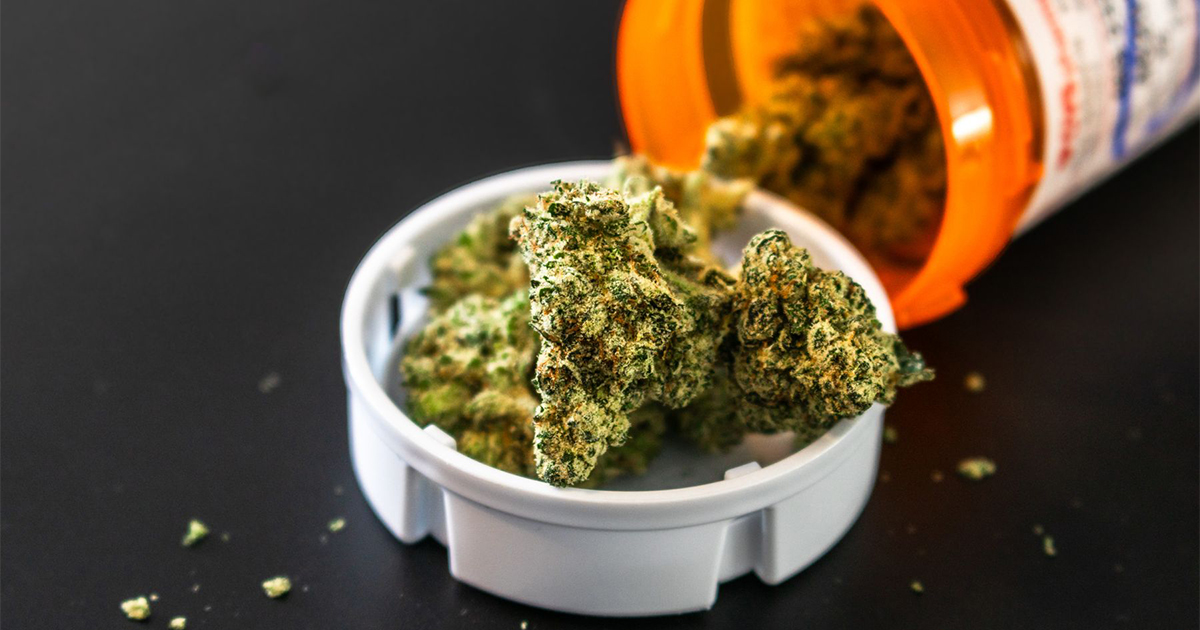
News Philly Is a Hub for Medical Marijuana Research The commonwealth is surprisingly forward-thinking when it comes to clinical uses for cannabis. By Janine White · 11/11/2026, 12:18 p.m. Pennsylvania is surprisingly forward-thinking when it comes to clinical uses for marijuana. Listen to the audio edition here: “What about cannabis?” That’s what physician Brooke Worster started hearing over a decade ago from patients looking for pain relief. “Pretty quickly,” she says, “I got tired of saying, ‘I don’t know.’” So Worster, who is enterprise director of supportive oncology at Jefferson Health, turned to science. Today, she conducts research at Jefferson’s Sidney Kimmel Medical College — one of 10 medical schools in Pennsylvania that have a state-certified medical marijuana academic clinical research center (ACRC). ACRC scientists are studying whether cannabis effectively treats everything from chronic pain to insomnia. More than 400,000 Pennsylvanians are approved to use medical marijuana, but there are still a lot of unknowns regarding what works, what might be harmful and how long-term use impacts health. Fittingly, for an eds-and-meds city, Philadelphia is home to five of the ACRCs, making it a “hub of both basic science and clinical cannabis research,” Worster says. In the decades to come, the research happening in Philadelphia could enable physicians like her to confidently answer patients who want to know: Would cannabis help? Progress … in Pennsylvania? While the midterm election results may change things, Harrisburg has not traditionally had a reputation for trailblazing. But researchers like Worster and Michelle Lent, of Philadelphia College of Osteopathic Medicine, appreciate how Pennsylvania lawmakers went about legalizing medical marijuana a decade ago through Act 16 . The law allows access to medical marijuana to treat anxiety disorders, epilepsy, autism, glaucoma, sickle cell anemia, and more. (Smoking marijuana remains illegal for medical use; treatment comes in forms like creams, pills, oils, tinctures, and cannabis flower that can be vaporized.) Act 16 also created the ACRC program, which pairs medical schools with licensed growers to facilitate research. Federal restrictions have made large-scale, randomized medical marijuana trials difficult, but Act 16 paved the way to examine purchase data and recruit patients at dispensaries for observational studies. That means researchers can ask users about their therapeutic experiences — but not assign specific medical marijuana formulations to people. Still, Pennsylvania’s model, “put us at the forefront of medical cannabis research,” says Lent, who is part of PCOM’s ACRC. Others have noticed. “The structure is one of a kind across the country and has enabled us to really lay a great foundation for how to do this research. … I’ve been a part of conversations with other states that are interested in understanding how this works,” says Worster. She notes that collaboration across the centers is also helpful for navigating the complexities of cannabis research and scaling up their work. At Drexel University’s Medical Cannabis Research Center, Stephen Lankenau started tracking 1,200 medical cannabis patients five years ago. He merged that with another study in Los Angeles and, with $3.6 million from the National Institute on Drug Abuse, is looking at “controlled use of cannabis in medical patients in PA and California.” Both doctors and patients can benefit from science-backed findings. Most physicians who, says Worster, “were never taught this in medical school,” are “uncomfortable” due to fears about legality and the lack of data on specific conditions and outcomes. Meanwhile, users are at risk of being misled. “There’s so much false, overstated, inaccurate information around cannabis out there,” Worster says. As an example, she cites popular beliefs around using cannabis for anxiety, PTSD, and even fear of public speaking. “If there is a benefit, it really lies in products that are high in CBD, which is the non-psychoactive component of cannabis. And what is out there on Dr. Google and Reddit and in popular culture is that the more THC you have, the more chill you’ll be. That’s just not the case and … people are increasingly landing in emergency rooms for panic attacks, paranoia, psychosis as products get very, very, very high in THC.” Testing Medical Marijuana The cannabis plant is complex and made up of hundreds of chemical substances. The most familiar are THC and CBD. The variety (or strain), doses, and exact combinations affect people differently. That may be one reason some studies show cannabis doesn’t help with anxiety, while other data indicate low doses of THC could. “Patients express that, ‘yes, when I use cannabis for X, Y, or Z, I feel relief.’ But there’s a lot of uncertainty specifically as to why. Is it the strain? Is it the amount? Is it the mode that they’re consuming it? Those particular variables are still to be researched,” Lankenau says. “That’s where the excitement is and to try to really try to lock down what are the specific factors that go into consistent relief for [conditions like] pain, insomnia and anxiety.” So far, in PCOM observational studies, Lent says they have found medical marijuana to be “extremely promising” in addressing chronic intractable pain. Separately, she also recruited 47 people who were taking medication for opioid use disorder and just starting medical cannabis. “We found such incredible improvements in quality of life, in mood functioning, and all of these things can be antecedents to illicit opioid use,” she says. “So far the data, though observational, are trending in the right direction and will lend themselves to very interesting trials when we’re able to do so.” In April, the federal government loosened restrictions on medical marijuana in order to facilitate more research, which Lent welcomes. Some aspects are still wending through bureaucracy, but the change further positions “Philadelphia to be a leader in clinical research,” she says. Next up, PCOM will examine attitudes of healthcare providers such as nursing home administrators. “Many of these facilities rely on federal funding. They’re really not able to support medical cannabis use in the facilities, but with the rescheduling, this may change. So we feel this is a really opportune time to ask them about what they know and what they think.” At Jefferson, Worster says there’s a study underway looking at insomnia. “Sleep is one of the biggest things that people use cannabis for, and there’s been so little information about how this works and is it effective? Is it detrimental?” she says. Currently, insomnia isn’t on Pennsylvania’s list of medical marijuana treatable conditions, but Worster worked with the department of health to get the go-ahead for research. This is yet another impact of Philadelphia’s ACRCs: Research could lead to conditions getting added to the medical marijuana program list, according to Worster. With more conditions come more patients — making the efforts of ACRC scientists to provide solid data on risks and benefits all the more necessary. “There’s a group that shouts from the rooftops, ‘This is a panacea for everything.’ And then there’s a group that says, ‘It’s horrible and you’re going to end up doing all kinds of other drugs and it’s going to kill you.’ And neither of those things are true,” Worster says. “So we need to really do a better job of bringing to light both the good and the risks.” Read More About: Marijuana You Might Also Like The Best Outdoor Yoga Classes in and Around Philly Level Up Your Health With These New Philly-Made Products An Eight-Week Training Plan for the Philadelphia Marathon
By Samantha R. Patel

By Natalie G. Ramos

By Leo A. Rodriguez

By Ethan J. Mulligan